South African women carry an ever-growing share of the country’s financial responsibilities, yet many remain dangerously underinsured and unsure where to begin investing. The cost of inaction falls on women themselves, and the families and communities that depend on them. Three industry specialists from Liberty explore what needs to change. The common thread is unmistakable: when advice shifts from selling policies to protecting futures, the conversation changes – and so do the outcomes.
Building financial security around real life

Lydia Davidson, Senior Manager: Technical Marketing at Liberty
As women, we rarely think about our lives in neat compartments. On any given day, I am a professional, a mother, a partner, a daughter and a friend, while somewhere in between trying to remember to look after myself, too. None of these roles exists in isolation, so why should financial planning? That is why the shift from leading with financial products to beginning with life’s moments is so important.
Clients don’t wake up thinking they need a disability policy or additional life cover. They think about paying school fees, caring for ageing parents, buying a home, protecting the lifestyle they have worked hard to build and creating opportunities for the people they love. The role of a financial adviser is to connect these deeply personal priorities with practical financial planning and protection.
For women in particular, this conversation matters. Women have traditionally carried much of the responsibility for planning and supporting family life, while also becoming increasingly important financial contributors. Many manage these responsibilities alone. Being actively involved in financial planning is therefore not simply good practice; it is essential.
Financial planning should also never be treated as a once-off event. Life continues to evolve through expected milestones and unexpected challenges. Careers change, families grow, health circumstances shift and responsibilities increase. An advice-led approach recognises that financial needs must evolve alongside these life stages, helping to ensure that an unexpected setback does not undo years of careful saving and investing.
This is where holistic advice becomes invaluable. Financial risks are interconnected. If I am unable to work following an accident, my family’s monthly expenses do not stop. If I am diagnosed with a serious illness, the financial impact may extend far beyond medical bills. It could affect education plans, retirement savings, and long-term financial independence. A skilled adviser helps clients understand these connections and put appropriate plans in place to protect both what they have already built and the income they may earn in the future.
Perhaps one of the most powerful conversations we can have with clients this Women’s Month is about the value of their future earning potential. Consider how much all the income a woman expects to earn over the rest of her working life would be worth today. For most people, the amount is surprisingly significant, and the younger she is, the greater that future value may be.
That realisation changes the conversation. Protection is no longer about buying another financial product. It becomes about preserving choices, opportunities and the future she is working so hard to create. That is a conversation every woman deserves to have, and one worth having with a trusted financial adviser.
Protecting the invisible safety net
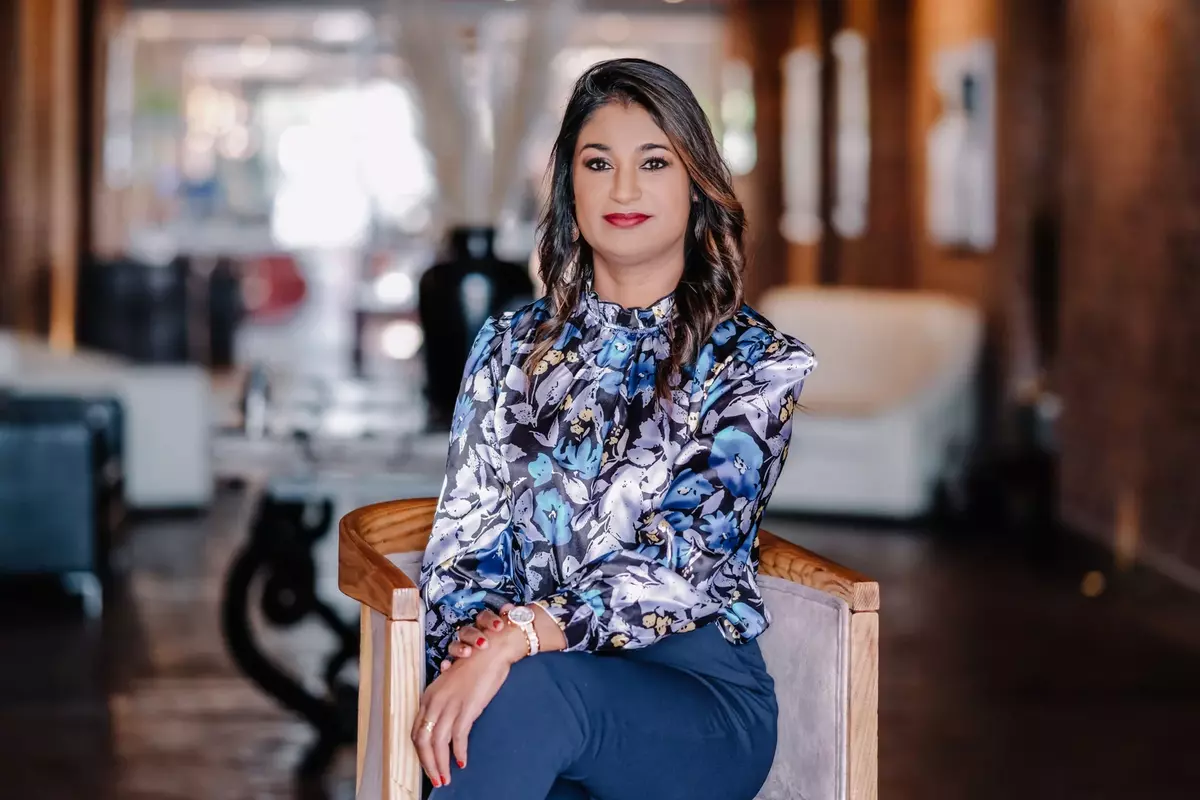
Elaine Markus, Head of Insurance Products at SBIB
South African women are carrying an ever-growing share of the country’s financial responsibilities, yet many remain dangerously underinsured. It’s a paradox with significant consequences; not only for women themselves but also for the families and communities that depend on them.
With almost 40% of South African households headed by women, their role as providers, caregivers and financial decision-makers has never been more important. Yet many still lack adequate life, disability and income protection. According to the latest ASISA Gap Study, the average South African income earner faces a death cover shortfall of R1.3m and a disability protection gap of R1.8m. Women are among the least adequately insured, despite often carrying extensive financial obligations.
The reasons are largely structural. Women continue to earn less than men on average, are more likely to interrupt their careers for caregiving, and often stretch limited disposable income across multiple dependants. When finances are tight, long-term protection is frequently sacrificed in favour of immediate household needs. Many also underestimate their own financial value, insuring homes, vehicles and family members before protecting the income that keeps their households functioning. If that income disappears through death, disability or illness, entire family support systems are affected.
One of the clearest examples of this protection gap is the widespread reliance on funeral cover. While it provides immediate financial assistance after a death, it does little to replace lost income, settle debt, fund children’s education, or provide ongoing household support. Funeral cover protects the event; life and disability cover protect the future. For financial advisers, every funeral cover discussion should become a broader conversation about income replacement, disability protection, and long-term family security.
A key challenge is helping women recognise that their greatest financial asset is often their ability to earn an income. While most people can picture the cost of a funeral, few consider the financial impact of being unable to work for years because of illness, injury or disability.
The conversation also needs to change. Technical discussions around waiting periods, disability definitions and benefit structures rarely resonate. Instead, advisers should focus on practical outcomes: keeping children in school, maintaining household income, meeting financial commitments, and preserving dignity during difficult times. Income protection becomes far more relevant when it is framed as protecting a family’s future rather than selling an insurance product.
Products must also reflect the realities of modern family life. Many women simultaneously support children, elderly parents and extended family members, yet insurance solutions often still assume traditional nuclear-family structures. More flexible products that evolve through different life stages, accommodate multiple dependants, and integrate life, disability and critical illness cover would better reflect women’s lived experiences.
Ultimately, however, product innovation alone is not enough. The industry’s greatest mistake is talking about products instead of purpose. Women are motivated by protecting the people who rely on them, not by policy features. Rather than asking clients how much cover they have, advisers should start by asking who depends on them and what would happen if their income stopped tomorrow. Women are often the invisible safety net within their families and communities. Protecting them means protecting the network of lives and opportunities that depends on them every day.
Taking the first step towards wealth creation
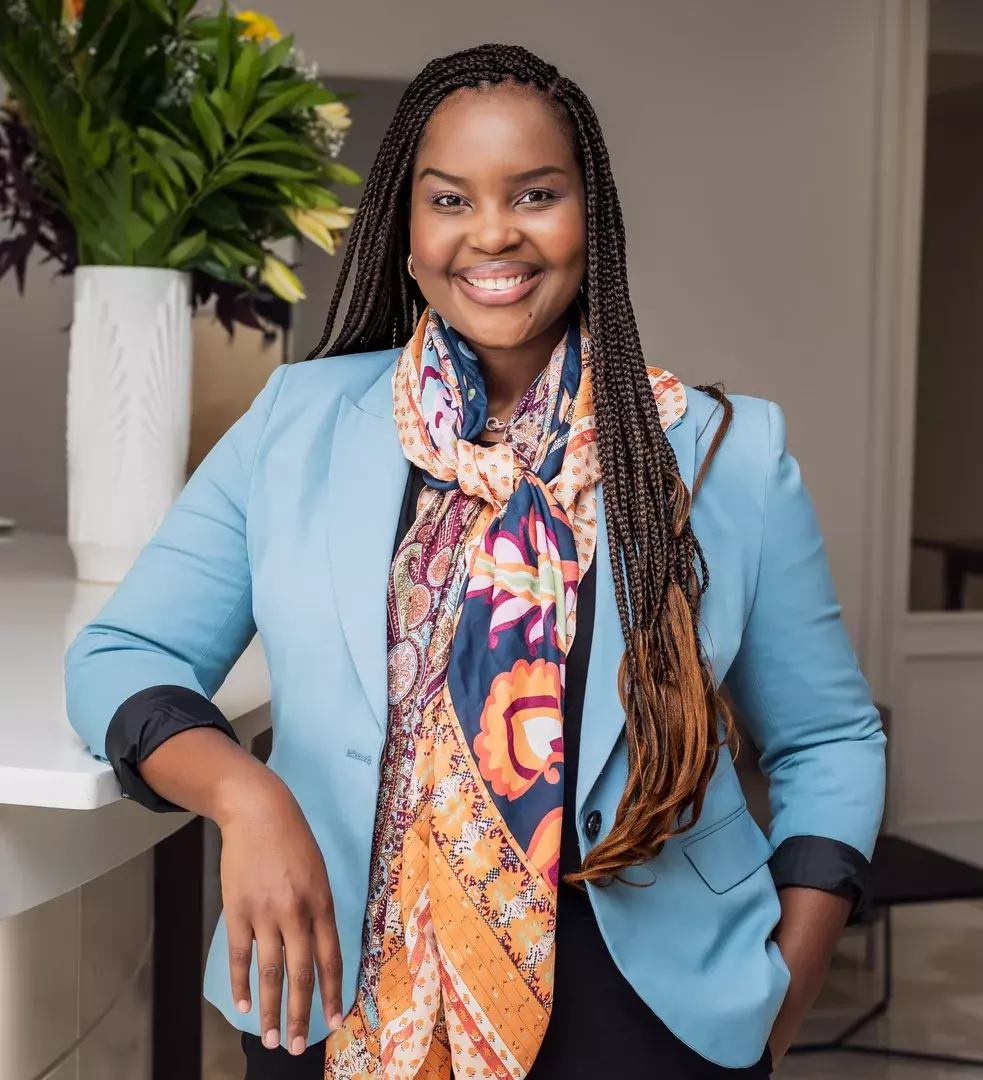
Luvhani Makoni, Lead Specialist: Investment Proposition at Liberty
For many women, the greatest barrier to investing is not a lack of opportunity or ambition, but simply knowing where to begin. Whether they are single mothers balancing competing financial priorities, professionals who have left financial decisions to a partner, or women rebuilding after divorce or widowhood, taking that first step can feel overwhelming. Financial jargon, market volatility and the fear of making costly mistakes often delay decisions that could have a lasting impact on long-term financial security.
The first step is understanding what you can realistically afford to invest by taking stock of your income, expenses and debt. Building an emergency fund is equally important, ensuring long-term investments are not accessed prematurely when unexpected expenses arise. Protecting the ability to earn an income also forms part of the foundation, with appropriate risk cover safeguarding against disability, severe illness or loss of income.
Successful investing starts with a Whether the goal is funding a child’s education, buying a home, preparing for retirement or building generational wealth, having a defined purpose makes it easier to stay invested during periods of market volatility. Time horizon and risk tolerance are equally important in determining the most appropriate investment strategy.
For women concerned about losing capital, structured products can provide an effective entry point by offering a degree of capital protection while introducing clients to market participation. However, they should form part of a broader financial plan that considers investment objectives, tax, liquidity and overall portfolio construction. Advisers also need to explain the trade-off: greater capital protection may mean sacrificing some upside when markets perform strongly. Structured products should therefore be viewed as complementary solutions that help cautious investors build confidence over time.
One of the industry’s biggest challenges is communication. Financial services often assume a level of knowledge that first-time investors simply do not have, making investing seem more intimidating than it needs to be. Simplified product design, transparent solutions and language that clients can relate to all help make wealth creation more accessible.
Equally important is changing how advisers begin conversations. Rather than leading with risk questionnaires and product brochures, advisers should start by asking, What are you trying to protect? and What are you trying to build? These questions shift the focus from products to personal aspirations. Adviser training should also incorporate behavioural insights, helping advisers understand how life events such as widowhood, divorce or single parenthood shape financial decision-making.
Perhaps the most valuable lesson for new investors is not to wait for the perfect moment. Start before you feel ready and with whatever you have. Building wealth is rarely about finding the perfect investment. More often, it is about taking the first step, staying invested, and working with a trusted financial adviser who can guide the journey over time.
Subscribe to our free newsletter
Stay at the forefront of financial advisory excellence with MoneyMarketing's weekly insights. As a professional adviser, you'll receive carefully curated content that enhances your practice and client relationships without cluttering your inbox. Our commitment to delivering only relevant, actionable intelligence helps you make informed decisions that drive your business forward. Join our community of leading financial professionals today and transform your practice with our complimentary newsletter—because your success is our priority.