In a world where inflation remains sticky, policy uncertainty persists and interest rates hover at multiyear highs, fixed income has re-emerged as one of the most strategically important – and misunderstood – components of client portfolios. For advisers, the challenge is no longer simply identifying yield but determining where in the fixed-income spectrum true value lies, and how to balance return potential with risk management in an environment where traditional long-duration bonds can quickly become a liability.
Today’s conditions demand a more nuanced approach. High interest rates increase both the opportunity for income and the danger of duration-driven losses, making flexibility essential. Shorter-duration instruments offer a buffer against rate volatility, while fixed-rate investments remain valuable for locking in income before the cycle eventually turns. Understanding how these levers work together is critical, particularly for clients with differing time horizons and liquidity needs.
But fixed income should be seen as a toolkit, not a single decision point. Government bonds, credit, inflation-linked securities, ETFs and model portfolios play a distinct role in stabilising returns, diversifying risk, and countering inflation uncertainty.
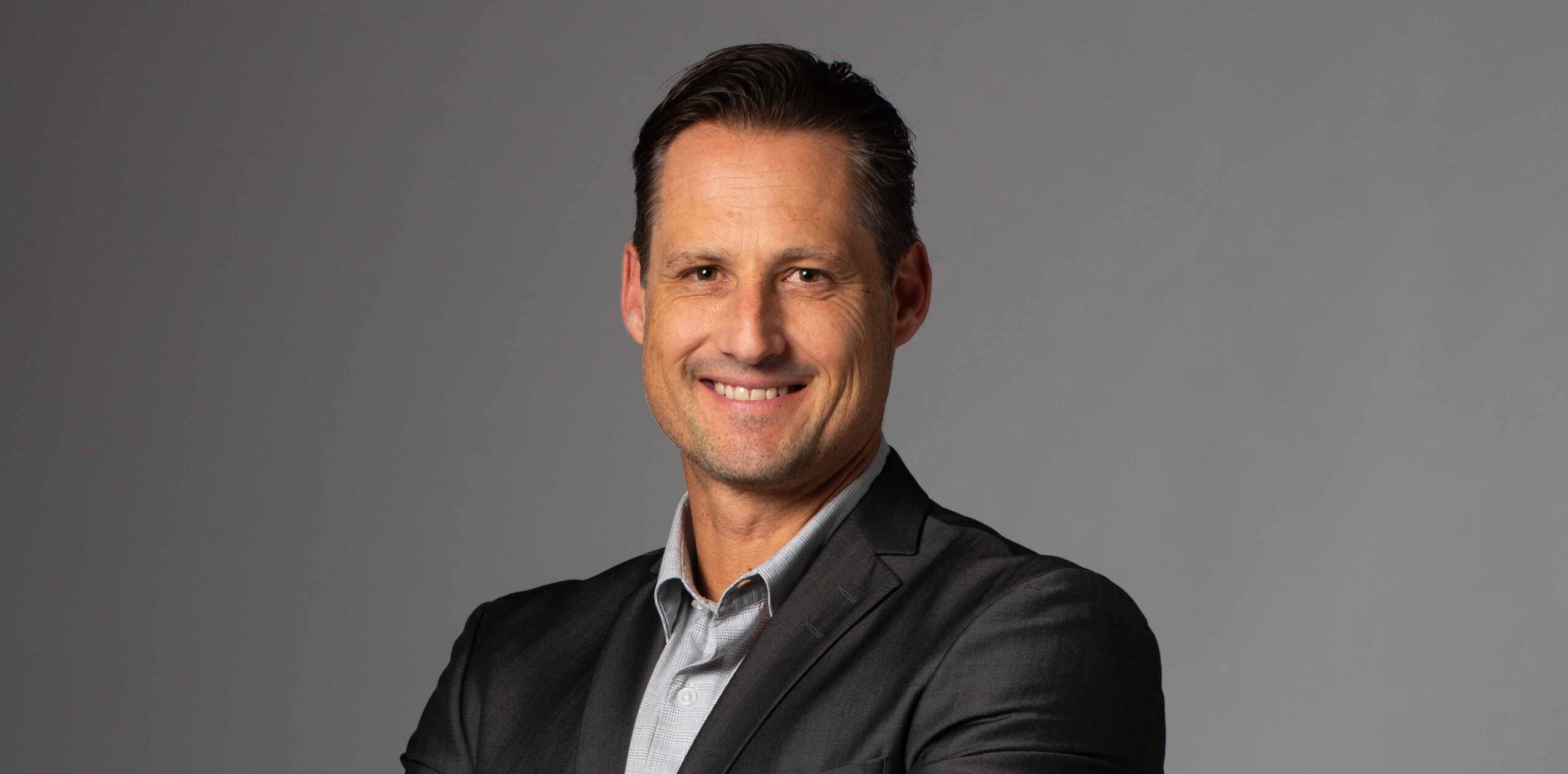
For advisers, the real skill lies in blending these elements to create strategies that protect purchasing power while navigating an increasingly complex global landscape. Paul Counihan, Managing Director: Wealth and Investments at Fedgroup, answered MoneyMarketing’s questions.
How should advisers assess fixed-income opportunities in a high-inflation, high-rate environment where traditional bonds face duration risk?
When interest rates are high, or inflationary pressures increase the risk of further rate hikes, advisers should focus on balancing flexibility, income certainty and duration risk within client portfolios. Shorter-duration fixed-income solutions can help reduce sensitivity to interest rate volatility while still delivering attractive yields.
For clients with shorter investment horizons or liquidity needs, solutions such as Income Plus can provide access to shorter-dated opportunities with lower exposure to interest rate movements. At the same time, advisers should not avoid fixed-rate investments altogether. Historically, rate hiking cycles tend to last between one and three years before eventually stabilising or declining. This means that fixed-rate investments, like Fedgroup Secured Investment or other five-year-plus duration instruments, can play an important role in smoothing out market volatility and delivering reliable long-term income and returns.
The key is diversification. Advisers should not position fixed income as an all-or-nothing decision, but rather as one component within a balanced portfolio designed to weather different market conditions. Reliable income-generating investments have a place alongside growth assets and shorter-duration instruments, helping clients ride out uncertainty without relying too heavily on any single asset class. It is less about putting all your eggs in one basket, and more about ensuring you have the right mix of baskets to create balance and resilience over time.
What role can government bonds, credit and inflation-linked instruments play in stabilising multi-asset portfolios today?
Government bonds provide stability and defensive characteristics during periods of uncertainty, while corporate credit can enhance portfolio yield through additional income generation. Inflation-linked bonds help protect purchasing power by ensuring returns keep pace with rising inflation. Together, these instruments can help smooth returns and improve diversification within a multi-asset portfolio.
How should advisers weigh credit quality versus yield as corporate defaults begin
to normalise off historic lows?
As corporate defaults begin to normalise following an extended period of unusually low default rates, advisers should prioritise credit quality over simply chasing higher yields. Higher coupons may appear attractive, but they often come with materially higher default risk. Focusing on financially resilient issuers with strong balance sheets and dependable cashflows is typically more important than maximising yield in a deteriorating credit environment.
What strategies can help clients navigate reinvestment risk as bonds mature into a changing rate cycle?
One of the most effective ways to manage reinvestment risk is through laddering maturities across different time horizons. Rather than having all bonds or fixed-income instruments mature simultaneously, staggered maturities allow investors to reinvest smaller portions over time. This reduces the risk of having to reinvest large amounts during an unfavourable interest rate environment and creates greater flexibility across changing market cycles.
How can fixed-income ETFs and model portfolios support more efficient implementation and liquidity management?
Fixed-income ETFs and model portfolios can improve implementation efficiency by providing diversified bond exposure through a single investment vehicle. They offer daily liquidity, transparent pricing and lower costs compared to building and managing individual bond portfolios directly. For advisers, they also simplify portfolio construction and rebalancing while improving access to different fixed-income sectors and duration profiles.
What impact do shifting global monetary policies and geopolitical risks have on fixed-income allocations for South African investors?
Shifting global monetary policy, persistent inflation uncertainty, and geopolitical tensions can all materially influence bond yields, currency movements and capital flows. For South African investors, maintaining diversified fixed-income exposure across local and offshore markets can help manage these risks. A combination of local inflation-linked bonds, quality domestic fixed income, and selective offshore bond exposure may help protect portfolios against rand weakness, global volatility and changing interest rate expectations.
Subscribe to our free newsletter
Stay at the forefront of financial advisory excellence with MoneyMarketing's weekly insights. As a professional adviser, you'll receive carefully curated content that enhances your practice and client relationships without cluttering your inbox. Our commitment to delivering only relevant, actionable intelligence helps you make informed decisions that drive your business forward. Join our community of leading financial professionals today and transform your practice with our complimentary newsletter—because your success is our priority.