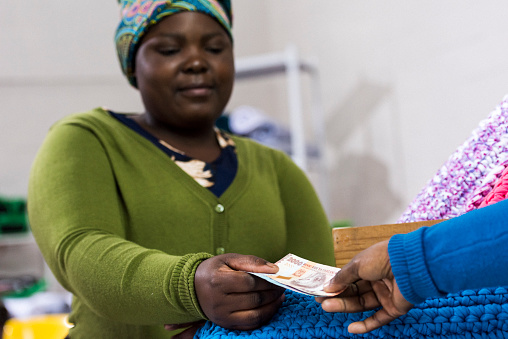
South Africans are making better financial decisions than they often give themselves credit for, but many still find it difficult to talk openly about money. That silence may be holding back even greater progress.
‘Money affects our well-being, our relationships, and the choices we make every day, yet it remains one of the hardest conversations for many South Africans to have,’ says Khensani Nobanda, Chief Marketing Officer at Nedbank. ‘Through the Money Relationships campaign, we want to encourage people to build a healthier, more open relationship with money. Better money conversations can lead to better mental well-being, stronger relationships, and improved financial outcomes.’
According to Nedbank’s latest NedFinHealth Index, South Africans are not financially helpless – many are already taking positive steps, with the overall financial health score having improved from 54.8 in 2024 to 56.4 in 2025. However, the research also shows that more than 40% of South Africans still avoid conversations about money. This suggests that, while progress is being made, people need encouragement, practical tools, and more honest conversations to turn that progress into lasting well-being.
While there are signs of improved day-to-day control, forward-looking confidence is not keeping pace. Confidence in meeting long-term goals remained almost unchanged at 44.5 in 2025, compared with 44.9 in 2024, while planning financially sat at 57.2 in 2025 when compared with 57.6 in 2024. This tension makes Nedbank’s Money Relationships campaign especially relevant, as it aims to move the conversation from simply ‘surviving the month’ to understanding the behaviours, emotions and conversations that shape long-term financial confidence.
Financial stress also continues to weigh heavily on well-being. More than half of respondents, at 51%, identified financial or money matters as the area of life that causes them the most stress. The report also shows that financial stress affected family life, sleep, self-worth, and mental health, with high- or moderate-impact scores of 45%, 43%, 42%, and 46% respectively recorded in 2025.
At the same time, the research points to a positive shift: shame around asking for financial help declined by 17.8% from 2024. Yet the barriers to openness remain significant: Among those who feel embarrassed, 44% said their finances were private, 43% said they did not have enough money to talk about, 31% said they did not want anyone to see they were in debt, and 27% said money was not something their family tended to talk about. While South Africans may be becoming more aware of their financial circumstances, many still carry their relationship with money privately and silently.
‘These insights inspired our campaign, which encourages South Africans to have more open and honest conversations about money and the role it plays in their well-being,’ explains Nobanda. ‘The findings remind us that financial well-being is shaped not only by what people earn or save, but also by how they think, feel, and communicate about money. The healthiest money relationships are not the ones where people never struggle; they are the ones where people talk, check in, and ask for support before small issues become crises.’
She concludes: ‘With this campaign, we want to spark a national conversation about the way South Africans think, feel, and talk about money. By encouraging honest reflection, regular financial check-ins, and healthier money habits, we hope to help people move beyond simply surviving the month towards building lasting financial well-being.’
Subscribe to our free newsletter
Stay at the forefront of financial advisory excellence with MoneyMarketing's weekly insights. As a professional adviser, you'll receive carefully curated content that enhances your practice and client relationships without cluttering your inbox. Our commitment to delivering only relevant, actionable intelligence helps you make informed decisions that drive your business forward. Join our community of leading financial professionals today and transform your practice with our complimentary newsletter—because your success is our priority.