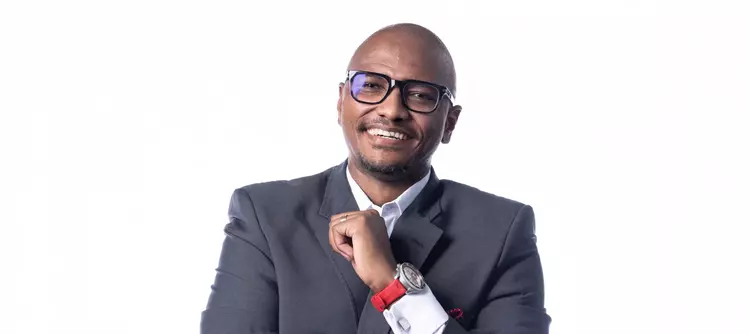
Trevor Manuel, Chairman of Old Mutual Group Holdings, led a debate at the Unisa Graduate School of Business Leadership (SBL) on 22 March titled, “The state of ethical and moral leadership in corporate South Africa’. Part of the business school’s contribution to Unisa’s 7th annual Research and Innovation (R&I) week in March 2018 under the broader theme of ‘Research to sustain our tomorrows’, the topic triggered intense discussion on what can be done to ensure corporate leaders are accountable to uphold the highest standards of ethics, highlighting the role business schools play.
Unisa SBL Deputy-Director Communications and Marketing, Cristal Peterson, contextualised the discussion stating that South Africa has dropped 14 positions in the World Economic Forum’s Global Competitive Index rankings due to corruption, crime and theft. “Furthermore, The Ethics Institute found that one in four employees in South Africa have observed workplace misconduct. It is also quite evident through the recent examples of Steinhoff‚ KPMG‚ SAP and other significant global brands that business leadership is due a much-needed makeover.”
Facilitated by seasoned broadcaster Iman Rappetti, the panel included Professor Sasha Monyamane, Acting COO of Unisa SBL; Bonang Mohale, CEO of Business Leadership South Africa and CEO of Shell subsidiary; and Tahir Muhammad Maepa Maepa, Deputy General Manager for Public Servants Association.
Manuel, a former recipient of the Unisa SBL Leadership in Practice Award, delivered a forthright address, thanking Unisa SBL for the invitation to raise the issues of ethical and moral leadership. “Right now, we need to demonstrate a clarity of thought that compels action. What corporate South Africa needs is a huge cultural shift, and discussions such as these must contribute to raising the participation criteria in order to effect this cultural shift that so many of us desire.”
Manuel highlighted that after the political developments of the past six weeks, the signal that South Africa and the world now has, is that of good governance premised upon collective responsibility and accountability. “This bodes well ethical and moral leadership because as the bar is raised in the public sector, so the private sector will have to respond. Suddenly, the old binary of public vs private sector, as a proxy for good vs bad, no longer seems to apply. The message is one which clearly articulates that all decision-makers, whether in the public or private sector, are collectively responsible for the well-being of all South Africans, and to this end we should demonstrate an intolerance against misbehaviour.”
In order to prevent the recurrence of the corruption we have experienced, Manuel says our vigilance over the next period must invite more whistle-blowing, more exposures, more investigations and charges, and please many convictions and sentences. “We need to ensure that we can lead the healing process so that not even the traffic officer will feel that they are entitled to cool-drink money.”
He outlined the epicenter of what went wrong in the public sector, starting with Ministers who were appointed to deliver outcomes that were against the letter and spirit of the Constitution. “Further steps which hollowed out the capacity of the state to deter misconduct include the conscious weakening of organs of state in the criminal justice cluster; the effective annihilation of the Crime Intelligence capacity; a ‘euthanased’ Parliament that slept through most of the wrongdoing; government supply chain management systems that were destroyed by the employment of incompetent individuals who frequently saw their responsibility as serving the interests of favoured bidders, rather than securing value for money in the interest of better service delivery; and the opportunistic abuse of Black Economic Empowerment, pretending that no rules existed and that friends or parties who officials were instructed to favour were allowed to run rampant.”
Manuel highlighted how corporate counterparts also descended into a web of corruption. “For every horror story in the public sector, there is an even more alarming story from the private sector. South Africa has yet to fully engage with the extent of malfeasance in the private sector. The same opportunistic trends were used by larger firms who recognised that there were few consequences, because the state was disinclined to act against its own.”
Panellists agreed with Manuel, with Bonang Mohape stating that we have inherited a worse situation than after apartheid. “We have been rotten to the core and this requires a thorough clean out. And that means some of us need to wear orange overalls. Law without the understanding of the limitations of power is tyranny. We must not miss the opportunity to reset the dial.”
Professor Sasha Monyamane said, “We need to see people that are prosecuted and convicted, high profile people, so people know that there are consequences for corruption and unethical behaviour. People say, these laws that you’re talking about – has anyone ever been convicted? People will take shortcuts, especially if they know of no examples of people who have been taken to task. If people fear to expose wrongdoing and take bold action – this culture will ensure that corruption doesn’t end. The broader political context and culture needs to change.”
Tahir Maepa highlighted issues around the powers of prosecutors, “At the end of the day, we know that there is enough evidence that necessitates a lot of people should be jailed. The question is who will jail them? Shaun Abrahams? Until we answer that, we will be having the same discussions over again.”
After a protracted period of corruption, Manuel says, it is necessary to arrest the processes of malfeasance, and embark on a period of healing. “I am convinced that the remedies are not going to suddenly emerge from a raft of new legislation and regulation, but rather from the proper application of those that exist.” He particularly says we should insist on higher standards from the professional and industry bodies such as SAICA, saying that there is too little professional pride for the observance of ethical standards.
Manuel concluded with a call to action, saying, “Everyone must take pride in themselves and their responsibilities. Define who you are and take on the responsibility that goes along with it. The more wrongdoers find there is no place to hide, the better society becomes for those who want to do good. Let us do what society demands of us and live up to the promise of a new beginning.”
Unisa SBL dedicates many hours to the teaching of ethics, believing in a clear link between ethical behaviour and leadership success. “At the SBL, we recognise that Africa and its people are in dire need of courageous, ethical and moral leaders – leaders that put others first and think about the greater public good, that will be able to influence people to act on principles, values and beliefs for the benefit of our entire society but also to the benefit of those who will inherit our legacy. We believe that at the end of the day, we need to ensure that our students see ethics as an inherent part of, and not a tangential addition to business. If we can achieve this much, we will have achieved something very meaningful.”
Subscribe to our free newsletter
Stay at the forefront of financial advisory excellence with MoneyMarketing's weekly insights. As a professional adviser, you'll receive carefully curated content that enhances your practice and client relationships without cluttering your inbox. Our commitment to delivering only relevant, actionable intelligence helps you make informed decisions that drive your business forward. Join our community of leading financial professionals today and transform your practice with our complimentary newsletter—because your success is our priority.