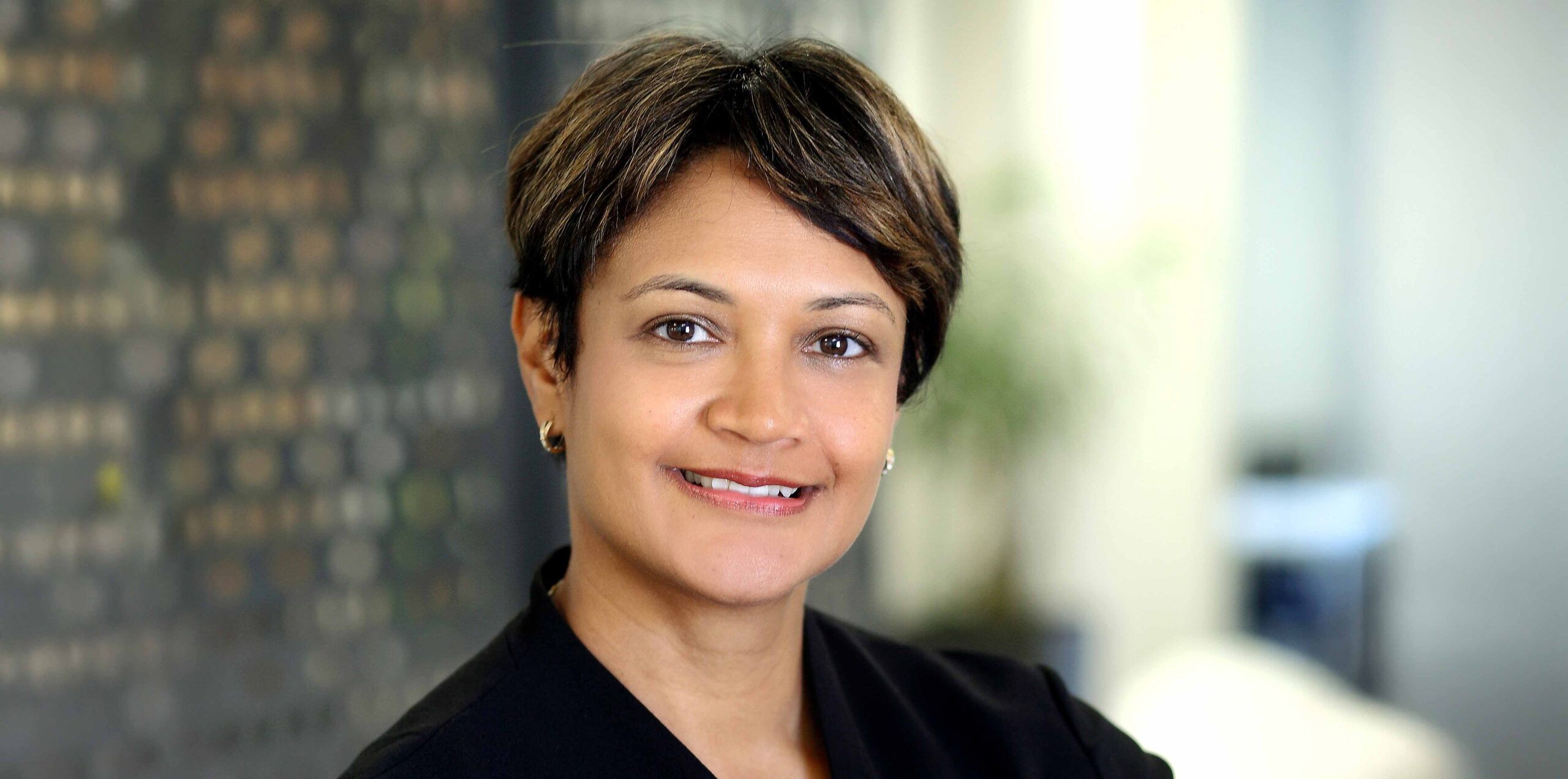
As South Africa celebrates Women’s Month, the conversation is shifting from representation to influence. While the investment industry has made meaningful progress in advancing women, important questions remain about leadership, wealth creation and how financial advice can better support women’s changing financial journeys. Cheree Dyers, Chief Executive Officer of Prescient Investment Management, shares her insights on breaking bias, building careers and why women will play an increasingly powerful role in shaping the future of investing.
Women’s Month often celebrates how far women have come, but where do you think the investment management industry still has the biggest blind spots when it comes to attracting, developing and retaining female talent?
We’ve made real progress in attracting and advancing women, and today’s leadership pipeline looks very different from the one I entered. But I think our biggest blind spot is no longer attracting women – it’s how we identify, develop and promote leadership potential.
For decades, our industry has relied on familiar signals of success. We can be influenced by where someone studied, how they present themselves, how visible they are, how confidently they speak, or whether they resemble successful leaders we’ve seen before. Those characteristics can create a strong first impression, but they are not necessarily the best predictors of long-term performance or leadership.
Thankfully, HR practices have evolved significantly. Many organisations are deliberately building more diverse talent pipelines, adopting fairer assessment processes and broadening how they identify potential. Leadership capability isn’t defined by a single mould, and organisations that recognise this will build stronger teams.
There is still work to do. The assumptions we make about potential can still influence who receives opportunities, who is sponsored, who is given stretch assignments and ultimately who is promoted. Over time, those small biases can compound into very different career outcomes.
As AI democratises information and automates routine analysis, competitive advantage shifts towards qualities such as judgement, curiosity, critical thinking, adaptability and the ability to ask better questions. Those are deeply human capabilities and they’re found across a much broader range of people than our traditional assumptions about potential have sometimes recognised.
The real opportunity is for our industry to build stronger leadership teams by recognising talent more effectively. High-performing organisations will always have high standards. The difference is that they’ll become better at separating genuine predictors of leadership from outdated proxies.
Retention is equally important. Women don’t leave because investment management is intellectually demanding. They often leave because they struggle to see a sustainable path to leadership through different stages of life. Flexibility matters, but sponsorship, meaningful opportunities and visible role models matter even more.
My own career certainly wasn’t linear. There were setbacks, failed exams and moments where I questioned whether I belonged. Looking back, none of those experiences defined my career. What mattered was staying curious, continuing to learn and having leaders who looked beyond my current role to my long-term potential.
Ultimately, the firms that become better at recognising talent will build stronger leadership teams, make better decisions and ultimately build better businesses.
In your experience, are there meaningful differences in how women approach investment decisions, or do you think those differences are often overstated?
I think the differences are often overstated. I’ve worked with exceptional investors of both genders and I’ve also seen poor investment decisions made by both. Good investing isn’t determined by gender. It’s determined by temperament.
Research suggests women tend to trade less frequently, are less prone to overconfidence and are often more comfortable admitting what they don’t know. Those are valuable characteristics because successful investing is less about making brilliant predictions and more about consistently avoiding costly mistakes.
One trend I do find interesting is that many women take a far more hands-on approach to understanding their finances before seeking advice. As AI makes financial information increasingly accessible, I think we’ll see that behaviour extend across all demographics. Information is becoming abundant.
That means the role of the financial adviser becomes even more valuable, not less. The future of advice won’t be about providing information; it will be about applying judgement, understanding individual circumstances, helping clients navigate uncertainty and keeping them committed to long-term plans when emotions inevitably take over.
Whether you’re a man or a woman, markets reward process far more consistently than they reward confidence.
South African women continue to face unique financial challenges. How should financial advisers and investment managers rethink their approach to helping women build long-term wealth?
The starting point is recognising that many women are planning for a financial journey that is fundamentally different. Longer life expectancy means retirement savings often need to last longer. Career breaks can interrupt the power of compounding. Encouragingly, we’re seeing greater recognition that caregiving is a shared responsibility, with changes to parental leave helping to create a more equal balance between men and women. Even so, women continue to experience more career interruptions on average, and those realities can have a significant impact on long-term wealth creation.
Financial advisers already play an essential role in helping clients navigate increasingly complex financial decisions. As women’s financial journeys become more diverse, that role becomes even more valuable. Beyond investment portfolios, advisers help clients build financial resilience through cash flow planning, protection, retirement planning and investment strategies they can stay committed to over decades.
The best advice has always been about more than investment returns. It’s about understanding a client’s goals, giving them confidence to stay the course and helping them achieve long-term financial certainty.
As a senior leader in investment management, what leadership lessons have shaped your own career, and what advice would you give to young women who aspire to leadership roles in finance?
The biggest lesson I’ve learnt is that leadership isn’t about having all the answers. It’s about having the courage to make decisions, learn quickly when you’re wrong and create an environment where other people can succeed.
Early in my career I believed I needed to prove I deserved to be in the room. Over time I realised that curiosity is far more powerful than certainty. The leaders I admire most ask great questions, listen carefully and never stop learning. I’d also encourage young women not to wait until they feel completely ready before taking on bigger opportunities. Confidence usually follows competence, not the other way around.
Looking back, one of the biggest contributors to both my career and my personal growth has been intentionally building meaningful relationships. Some of the greatest opportunities in my career have come through relationships built over many years with mentors, colleagues, clients and peers. Those relationships challenged my thinking, broadened my perspective and opened doors I didn’t even know existed.
Building relationships takes effort. You have to be genuinely curious about people, willing to contribute and intentional about investing your time. The strongest relationships aren’t built on what you can gain, but on the value you consistently bring to others.
In an age of AI, information is becoming abundant, but trust remains deeply human. I believe relationships will become more valuable, not less.
Finally, don’t try to become someone else’s version of a leader. Authenticity isn’t a soft skill; it’s a competitive advantage. I’ve learnt that valuing people over things is one of the most important principles of leadership. People follow leaders they trust, and trust is built through consistency, humility and genuinely caring about others.
The investment industry is being transformed, How can this period of disruption become an opportunity to improve gender diversity, rather than reinforcing existing biases?
Every technological shift creates a choice. AI can reinforce existing biases if we simply automate historical decisions. But if used thoughtfully, it can make recruitment, development and performance assessment more evidence-based, transparent and focused on outcomes rather than perceptions.
It also democratises opportunity by giving more people access to knowledge and accelerating learning. As information becomes more accessible, competitive advantage shifts towards judgement, creativity, collaboration and leadership. Those capabilities exist across every demographic. Our responsibility as leaders is to recognise and develop them.
Technology alone won’t create more diverse workplaces. Inclusion remains a leadership choice. If we use AI intentionally, this could become one of the greatest opportunities our industry has had to broaden access to leadership.
If you could change one thing about the way South Africans think about women and investing, what would it be, and why do you believe that shift would have the greatest long-term impact?
If I could change one thing, it would be to stop seeing women as a niche market and start recognising them as one of the defining forces shaping the future of wealth creation. Women are increasingly leading businesses, building wealth, making investment decisions and shaping the financial futures of their families. Our industry shouldn’t simply respond to that shift; it should help accelerate it.
Technology will make investing more accessible through digital platforms, fractional investing and innovations such as tokenisation. But while technology improves access, it cannot replace trust.
In a world of greater uncertainty and almost unlimited information, trusted advice becomes even more valuable. Great advisers don’t simply explain investments; they provide perspective, apply judgement, coach behaviour and help clients make good decisions over the long term.
Whether navigating career transitions, entrepreneurship, longer life expectancy or changing family dynamics, trusted advice can turn uncertainty into confidence and long-term goals into lasting financial security.
If we get this right, we won’t simply improve outcomes for women. We’ll strengthen the advice profession, welcome more people into long-term investing and build a more inclusive investment ecosystem for generations to come.
Subscribe to our free newsletter
Stay at the forefront of financial advisory excellence with MoneyMarketing's weekly insights. As a professional adviser, you'll receive carefully curated content that enhances your practice and client relationships without cluttering your inbox. Our commitment to delivering only relevant, actionable intelligence helps you make informed decisions that drive your business forward. Join our community of leading financial professionals today and transform your practice with our complimentary newsletter—because your success is our priority.