For South African investors, offshore investing is a structural necessity. But where offshore exposure was once driven largely by fear of rand weakness or political risk, it now requires a far more nuanced approach that integrates currency dynamics, global asset allocation, lifestyle modelling and disciplined advice.
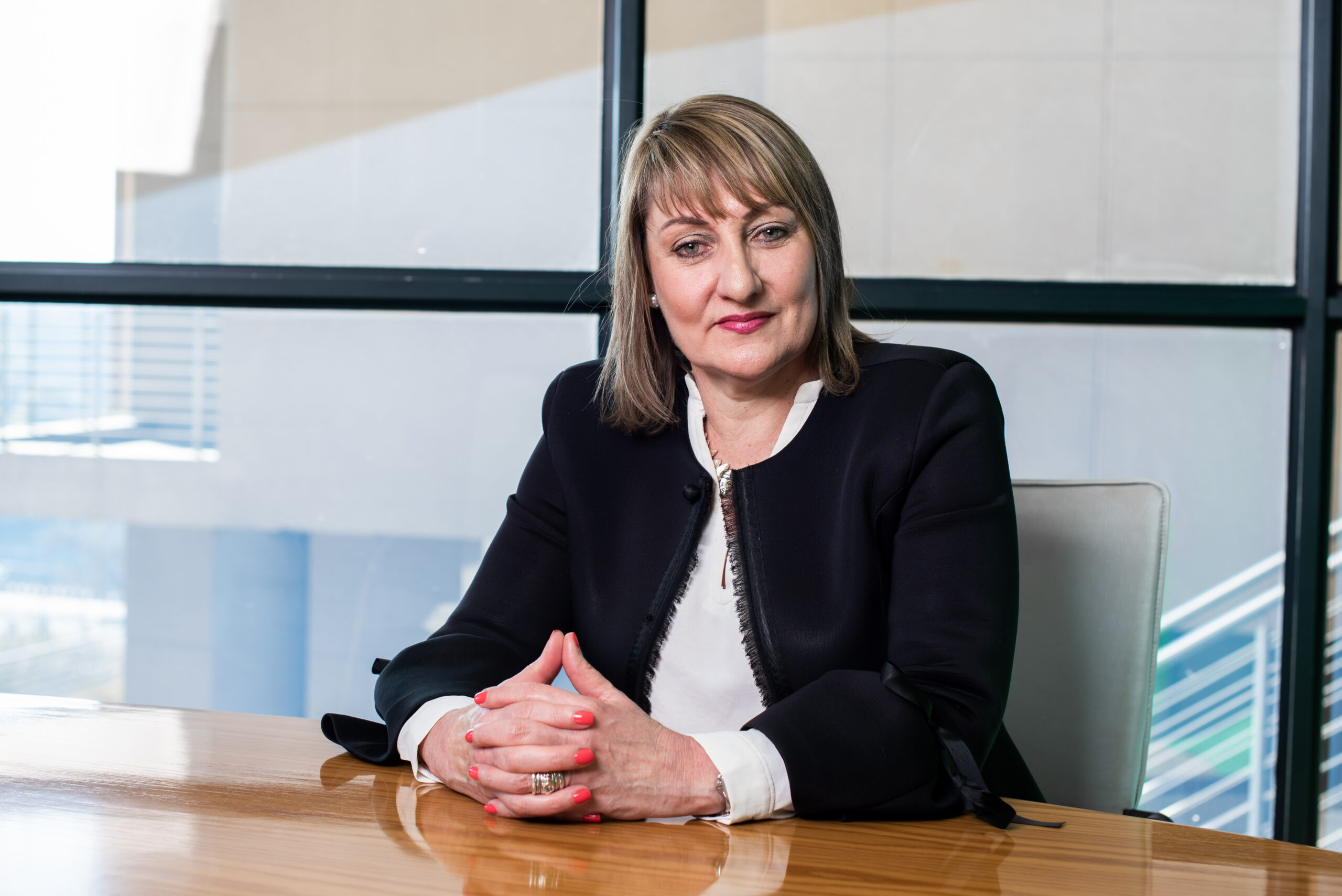
Christelle Louw, who operates within the Citadel’s advisory-led wealth management framework, explains that when it comes to discussing offshore investing with clients, she always anchors the conversation in lifestyle expectations. “We often do a lifestyle projection. It’s not about investments initially. It’s about asking: What kind of life do you want? Do you want to travel? Support children? Maintain a certain standard of living? And what is the probability of achieving that?”
Advisers are too often expected to “make the portfolio work” to match unrealistic expectations. “We can’t grow a portfolio at 30% because someone needs it to. The model must be achievable and right. The strategy must be realistic.” Only once that framework is established does offshore allocation become meaningful.
Why offshore remains essential
South Africa accounts for roughly 0.4% of global growth. “It’s simply not rational to have the bulk of your wealth concentrated in such a small part of the global economy,” Louw says. That is not a dismissal of local markets. The JSE is sophisticated, and around 60% of its listed company revenues are generated offshore. But investors remain exposed to a single market and jurisdiction. “From a portfolio construction perspective, that’s the risk.”
Today’s offshore case extends beyond capital flight. It is about access to scale and sectors that do not exist locally. Global healthcare innovation, advanced technology infrastructure and major consumer brands require offshore exposure. “If you want access to the world’s largest companies, those driving AI, pharmaceuticals and global demand, you need offshore allocation.”
The currency narrative has shifted
For years, rand depreciation provided a tailwind, reinforcing the idea that offshore investing was primarily a currency hedge. That dynamic is no longer predictable. “In the past year, the rand has strengthened meaningfully,” Louw says. Over the past decade, it has been more stable than many assume. With inflation differentials narrowing, Citadel expects more modest long-term depreciation, closer to 2% to 3% rather than the historical 5%.
“You cannot build an offshore strategy purely on perpetual rand weakness,” she emphasises. “It must be about diversification and access to global growth.”
Rand-based or hard-currency objective?
A critical distinction advisers must clarify is how offshore wealth is measured. “There are essentially two objectives,” Louw says. “You either diversify offshore but still measure wealth in rand because you live in South Africa, or you externalise wealth permanently and measure in hard currency.”
These are different mandates. Clients planning to emigrate, fund overseas education, or establish offshore legacy structures require a different framework from those simply diversifying within a domestic lifestyle plan. Currency exposure can also be managed within portfolios. “Timeous currency hedging remains an alternative to naked currency exposure,” she notes. On timing, Louw favours phased implementation. “If you get currency timing 100% right, you were probably lucky.”
Global diversification is broader than the dollar
The traditional offshore playbook is centred heavily on the US. But currency diversification itself is becoming more relevant. Periods of dollar weakness have strengthened the case for exposure to sterling, the euro and the Swiss franc.
Large multinational companies provide indirect currency diversification through global revenue streams. The major US technology firms generate earnings across jurisdictions, offering natural geographic hedges. Diversification also extends beyond US equities. European markets have outperformed at times, and emerging markets – particularly parts of Asia – remain attractively valued relative to developed peers. Exposure, however, must be deliberate rather than thematic.
Segmenting by life stage
Client age and objectives fundamentally shape offshore allocation. “For younger accumulators, time is their greatest asset,” Louw says. Longer horizons allow for meaningful offshore equity exposure, absorbing short-term volatility. Retirees require more nuance. “Income must be generated in the currency of reference.” For South Africans spending in rand, drawing dollar income.
Subscribe to our free newsletter
Stay at the forefront of financial advisory excellence with MoneyMarketing's weekly insights. As a professional adviser, you'll receive carefully curated content that enhances your practice and client relationships without cluttering your inbox. Our commitment to delivering only relevant, actionable intelligence helps you make informed decisions that drive your business forward. Join our community of leading financial professionals today and transform your practice with our complimentary newsletter—because your success is our priority.